Misinformation follows extensions everywhere. Ask five different people about extensions and you will likely hear five different opinions, many of them outdated or simply wrong. This confusion keeps some clients from trying a service that could genuinely transform their hair.
This guide breaks down the most common extension myths and replaces them with facts based on how modern extension methods actually work. By the end, you will have a clearer picture of what to actually expect before booking your consultation.
Myth One: Every Extension Damages Your Natural Hair
This is the most common concern we hear, and it deserves a direct answer. A properly applied extension, installed by a trained stylist, should not damage healthy hair. Damage typically results from poor application technique, excessive tension, or skipping recommended maintenance appointments, not from the extension itself.
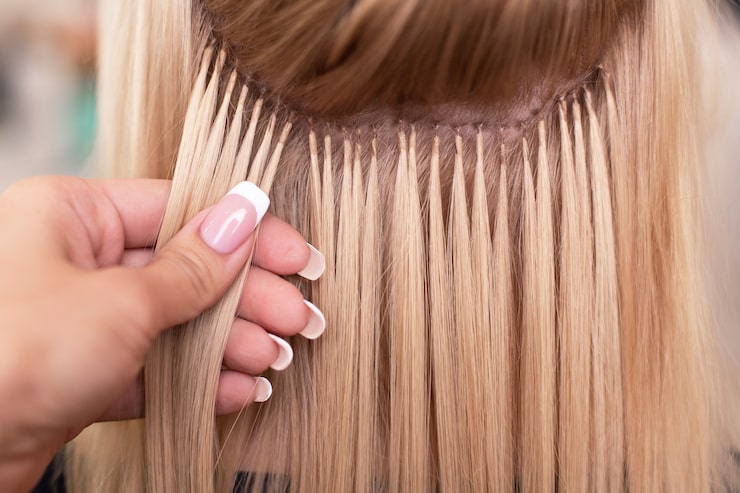
The method matters here. Tape-in, hand-tied, and keratin bond extensions each distribute weight differently, and choosing the wrong method for your hair type can increase risk. This is exactly why a proper consultation exists. Your stylist assesses your hair density, scalp health, and growth pattern before recommending a method suited to your specific hair.
According to the American Academy of Dermatology, hair damage is more closely linked to tension, heat, and chemical processing than to extensions specifically (source). Working with an experienced stylist and following aftercare instructions is the real determining factor in whether your extension protects or harms your natural hair.
Myth Two: Extensions Always Look Fake or Obvious
Extension technology and application techniques have improved significantly over the past decade. Old assumptions about bulky, obviously fake extensions come from outdated methods or poor quality hair, not from what modern salons offer today. A well matched, properly cut extension should be undetectable to anyone who does not already know it is there.
Color matching plays a huge role in this outcome. Skilled stylists blend multiple extension shades to mimic how natural hair catches light and varies in tone. Custom cutting the extension to match your natural layers after installation removes harsh lines and creates a seamless transition between your real hair and the added length.
Quality of hair matters just as much as application skill. Human hair extensions move, style, and reflect light like natural hair, while lower quality synthetic options are more likely to look flat or artificial. Choosing a salon with real extension experience protects you from this outdated stereotype.
Myth Three: Extensions Require Constant, Difficult Maintenance
Many people assume extensions demand hours of daily upkeep, but this overstates the actual time commitment. Most extension care involves gentle brushing, proper product choice, and slightly less frequent washing than you might currently do. These are small adjustments, not an overwhelming new routine.
Salon maintenance appointments are straightforward too. Most methods require a visit every six to eight weeks to move the extension up as your natural hair grows. This is a routine appointment, similar in frequency to a root touch up or regular haircut, not an unusual burden on your schedule.
Clients who follow basic care guidelines, like using sulfate free products and avoiding sleeping with wet hair, typically report that extension maintenance becomes second nature within a few weeks. The learning curve is real but short, and most clients adjust faster than they expect.
Myth Four: Extensions Are Too Expensive to Be Worth It
Cost is a legitimate consideration, but the value conversation often gets skipped. A quality human hair extension, properly cared for, can last twelve months or longer. When you calculate the cost per wear over that period, the investment often compares favorably to other beauty services performed on a similar timeline.
Pricing also varies significantly based on method and hair amount, so there are entry points at different budget levels. Tape-in extensions typically cost less upfront than hand-tied or keratin bond methods, making them a more accessible starting point for clients new to extensions. Discussing your budget openly during your consultation helps your stylist recommend options that fit your financial comfort zone.
Value extends beyond the physical hair itself. Many clients describe the confidence and styling versatility gained from extensions as worth the investment on its own, separate from the practical cost analysis. This is a personal calculation, but it is one worth making with full information rather than assumptions.
Myth Five: Anyone Can Apply Extensions Successfully
Social media has popularized DIY extension application, but this trend carries real risk. Improper application technique is one of the leading causes of extension related hair damage, according to dermatology sources that study hair and scalp health. Incorrect placement or excessive tension during a DIY application can cause long term harm to hair follicles.
Professional application involves more than attaching hair. A trained stylist assesses your hair density, plans placement to distribute weight evenly, and custom cuts the extension to blend with your natural hair. These steps require training and experience that a DIY tutorial cannot replicate, regardless of how detailed the instructions appear.
Choosing a professional also means access to proper aftercare guidance tailored to your specific extension type. If you are near Downtown Menlo Park, working with an established local salon gives you ongoing support for adjustments, troubleshooting, and maintenance that a DIY approach simply cannot offer.
Getting the Facts Before You Book
The best way to separate extension myths from reality is a real consultation with an experienced stylist. This conversation lets you ask direct questions about your specific hair, get honest answers about maintenance and cost, and see examples of previous extension work. Skipping this step and relying on secondhand information is how myths persist in the first place.
At Salon Cozzolino, we prioritize transparency during every extension consultation, addressing your concerns directly rather than glossing over the realities of maintenance and care. Explore our full range of hair services to see how extensions fit into your overall hair care plan.
Ready to separate fact from fiction? Book a consultation with Salon Cozzolino today and get honest, expert answers about whether an extension is right for your hair and your lifestyle.
Frequently Asked Questions
Do all types of extensions damage hair equally?
No, different extension methods carry different levels of risk depending on your hair type and how the extension is applied. Hand-tied wefts distribute weight evenly, while poorly applied tape-ins or keratin bonds can create more tension if not fitted correctly. Choosing the right method for your specific hair reduces risk significantly.
Is it true that extensions always look fake?
No, this is an outdated assumption based on older extension technology and lower quality hair. Modern human hair extensions, properly color matched and custom cut, blend seamlessly with natural hair. Working with an experienced stylist is the biggest factor in achieving a natural, undetectable result.
How much daily maintenance does an extension actually require?
Extension maintenance involves gentle brushing, proper product choice, and washing every two to three days rather than daily. This is a modest adjustment to most existing hair routines, not an overwhelming new commitment. Most clients adapt to their extension routine within a few weeks.
Are cheaper extensions just as good as more expensive options?
Generally, no. Lower cost synthetic extensions tend to look less natural, style less effectively, and last significantly shorter than human hair options. Quality human hair extensions cost more upfront but often provide better value over their longer lifespan. Discuss your budget and goals during a consultation to find the right balance.
Can I safely apply an extension myself at home?
DIY extension application carries real risk, including improper placement and excessive tension that can damage hair follicles over time. Professional application involves training in weight distribution, color matching, and custom cutting that DIY methods cannot replicate. Working with a trained stylist protects both your hair health and your final result.