
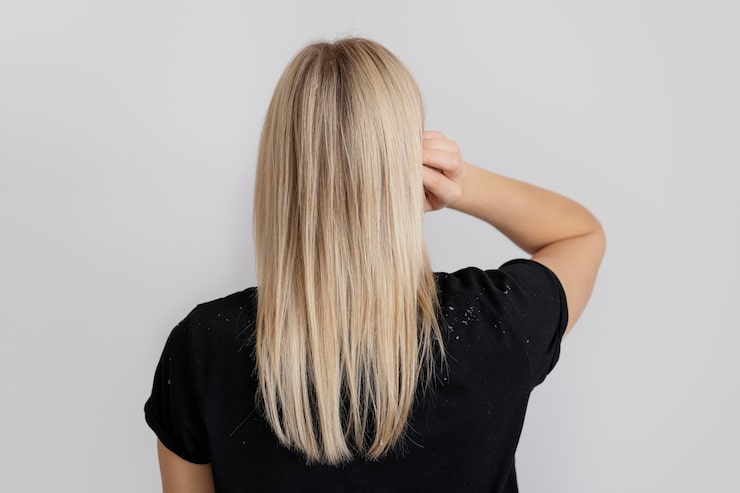
Thin hair needs careful handling. Not every solution works. Extensions can improve volume and confidence, but only if you choose the right type. Many clients in Menlo Park, CA, USA look for Extensions to add fullness without damaging fragile strands. The challenge is balance. You want volume, but you also want protection for your natural hair.
Extensions for thin hair must be lightweight, safe, and properly installed. Heavy methods can cause tension and breakage. That is why stylists always evaluate hair density first. The goal is simple. Add fullness without stress.
This guide explains which Extensions work best for thin hair and what professionals actually recommend in real salon settings.
Extensions for Thin Hair: What Really Works
Not all Extensions are suitable for fine or thin hair. The wrong choice can make your scalp feel heavy or visible bonds more obvious. The right choice blends naturally and adds soft volume without pulling on roots.
The most recommended Extensions for thin hair are:
- Tape-in Extensions
- Lightweight clip-in Extensions
- Micro-bond or fusion Extensions (carefully applied)
Each method has advantages and limitations. Stylists in Menlo Park, CA, USA usually avoid heavy sew-in Extensions for thin hair because they require strong natural density for support.
The focus is always on weight distribution and seamless blending.
Tape-In Extensions for Thin Hair
Tape-in Extensions are the most popular recommendation for thin hair. They are lightweight and lie flat against the scalp. This makes them almost invisible when installed correctly.
Tape-in Extensions work by sandwiching small sections of natural hair between adhesive strips. The pressure is evenly distributed. This reduces strain on weak strands.
Clients in Menlo Park, CA, USA often prefer tape-in Extensions because they offer a natural look without heavy maintenance. They also grow out smoothly, which keeps the appearance clean over time.
Tape-in Extensions are ideal if you want daily wear. However, they require proper placement. If installed too close to weak areas, they can still cause stress.
Maintenance is important. You must avoid oily products near the roots because they can weaken adhesive bonds. Regular salon adjustments keep them secure and natural.
Clip-In Extensions for Thin Hair
Clip-in Extensions are the safest option for beginners with thin hair. They are temporary and do not require long-term attachment.
You can apply and remove them daily. This gives your natural hair complete rest between uses.
Clip-in Extensions are best for:
- Special events
- Occasional volume boost
- Styling flexibility without commitment
However, placement matters. If clips are too heavy or placed incorrectly, they can pull on fragile strands. That is why lightweight clip-in Extensions are recommended for thin hair.
In Menlo Park, CA, USA, stylists often suggest custom-blended clip-ins for clients who want volume without salon maintenance.
Clip-ins are not meant for daily long-term wear. They should be used strategically, not continuously.
Fusion Extensions for Thin Hair: Use With Caution
Fusion Extensions are strand-by-strand bonded Extensions. They create a very natural blend, but they are not always ideal for thin hair.
The keratin bonds add small points of weight. If your hair is extremely fine, this can cause stress over time. However, when applied carefully and sparingly, fusion Extensions can work.
Stylists usually:
- Use fewer strands
- Space bonds carefully
- Select ultra-light Extensions
In Menlo Park, CA, USA, fusion Extensions are only recommended after a full hair assessment. They are not the first choice for very fragile hair.
If done correctly, they offer long-lasting results and a very natural finish. But they require strict maintenance and professional removal.
How Stylists Choose Extensions for Thin Hair
Professional stylists do not guess. They assess before recommending Extensions. Thin hair requires a personalized approach.
They look at:
- Hair density
- Scalp health
- Strand strength
- Lifestyle habits
The wrong Extensions can create tension and breakage. The right ones improve volume safely.
In Menlo Park, CA, USA, salons focus heavily on consultation before installation. This reduces risk and improves long-term results.
Internal service details can be found at https://saloncozzolino.com/services where professional Extensions application methods are explained.
Extensions Care for Thin Hair
Aftercare is just as important as installation. Thin hair needs gentle handling to stay healthy.
You should:
- Brush Extensions daily with a soft brush
- Avoid heavy oils near roots
- Use sulfate-free shampoo
- Limit heat styling
- Sleep with loose hair or braid
These habits protect both Extensions and natural strands. Thin hair is more sensitive, so consistency matters.
Extensions on thin hair should never feel tight or heavy. If they do, something is wrong with installation or maintenance.
Common Mistakes With Extensions on Thin Hair
Many people damage their hair not because of Extensions, but because of mistakes in usage.
Common mistakes include:
- Choosing heavy Extensions
- Installing too many strands
- Skipping maintenance appointments
- Using harsh styling products
- Sleeping with wet Extensions
In Menlo Park, CA, USA, stylists often see these mistakes from DIY attempts or improper installations.
Avoiding these errors significantly improves hair health and Extensions lifespan.
Best Extensions Strategy for Thin Hair
The best strategy is not about one product. It is about balance.
For most thin hair clients:
- Tape-in Extensions are best for daily wear
- Clip-ins are best for occasional use
- Fusion Extensions are only for carefully selected cases
The goal is natural volume, not visible additions. Extensions should enhance your hair, not overwhelm it.
Professional advice is essential before making a decision. A proper consultation ensures safe and natural results.
FAQ: Extensions for Thin Hair
1. What are the best Extensions for thin hair?
Tape-in Extensions are usually the best choice. They are lightweight, natural-looking, and safe when installed correctly.
2. Can Extensions damage thin hair?
Extensions do not damage hair when applied properly. Damage usually comes from heavy methods, poor installation, or lack of maintenance.
3. Are clip-in Extensions safe for thin hair?
Yes, clip-in Extensions are safe if they are lightweight and used occasionally. They should not be worn every day.
4. How often should I maintain Extensions on thin hair?
Tape-in Extensions need maintenance every 6 to 8 weeks. Regular checkups ensure safe placement and prevent tension.
5. Can thin hair handle long Extensions?
Yes, but only if weight is balanced. Stylists adjust length and density to avoid stress on natural strands.
Final Thoughts
Thin hair does not limit your options. It only requires smarter choices. The right Extensions can add volume, confidence, and natural movement without damage.